So, you’re learning English and wondering if getting your pronunciation just right is really that big of a deal? Short answer: absolutely, yes! While people will often understand you even with a strong accent, focusing on clear pronunciation is a game-changer for your confidence, how easily you communicate, and how effectively you connect with others. It’s not about sounding “native,” but about being understood effortlessly. Let’s dive into why it matters and how you can tackle it.
Why Pronunciation Isn’t Just “Fancy Stuff”
Many learners prioritize grammar and vocabulary, which are undeniably important. But often, pronunciation gets pushed to the side, seen as an advanced skill or something that will “just come naturally.” This is a common misconception that can actually hinder your progress.
Beyond Just Being Understood: The Deeper Impact
Think about it: have you ever had a conversation where you felt like you were constantly repeating yourself, or the other person seemed a bit confused, even if you used the right words? That’s often a pronunciation issue at play. It’s not necessarily that your words are unintelligible, but that the effort required to understand you can be tiring for the listener. This cognitive load can lead to misunderstandings, frustration, and even impact professional opportunities.
Building Confidence and Connection
When you know your pronunciation is clear, you speak with more confidence. You’re less likely to hesitate or worry about being misunderstood. This confidence translates into more engaging conversations, better presentations, and stronger relationships. People are naturally more inclined to listen attentively when they don’t have to work extra hard to decipher what you’re saying. Clear pronunciation fosters a smoother, more natural flow of conversation, making interactions more enjoyable for everyone involved.
Avoiding Misunderstandings: The “Minimal Pair” Trap
English has many words that sound very similar but have completely different meanings – these are called minimal pairs. A slight mispronunciation of a vowel or consonant can totally change your message. For example, “sheet” and “shit” are a classic example that can lead to awkward situations. Similarly, “live” (to reside) and “leave” (to depart), or “beach” and “bitch,” demonstrate how crucial it is to differentiate vowel sounds. Not only is it about clarity, but also about avoiding unintended offense or confusion that could easily be avoided with focused practice.
Clear pronunciation is essential for English learners as it significantly impacts their ability to communicate effectively and be understood in various social and professional settings. A related article discusses the importance of collaboration and communication skills, emphasizing how clear pronunciation can enhance teamwork and interpersonal relationships. For more insights on this topic, you can read the article here: How to Work Well with Others.
Getting Started: The Foundation

Okay, so we’ve established why it’s important. Now, let’s talk about how to approach it effectively. Forget about trying to eliminate your accent entirely – that’s often unrealistic and unnecessary. The goal is clarity, not imitation.
1. Tune into Sounds, Not Just Letters
English spelling is notorious for being inconsistent. The letter ‘o’ can sound completely different in “love,” “go,” and “do.” Relying solely on how words are written will trip you up every time. You need to train your ears to recognize the distinct sounds (phonemes) of English.
Clear pronunciation is essential for English learners as it significantly impacts their ability to communicate effectively and be understood by others. A related article discusses the importance of mastering pronunciation skills and offers practical tips for improvement. By focusing on clear articulation, learners can enhance their confidence and fluency in conversations. For more insights on this topic, you can read the article here.
2. Understand the IPA (International Phonetic Alphabet)
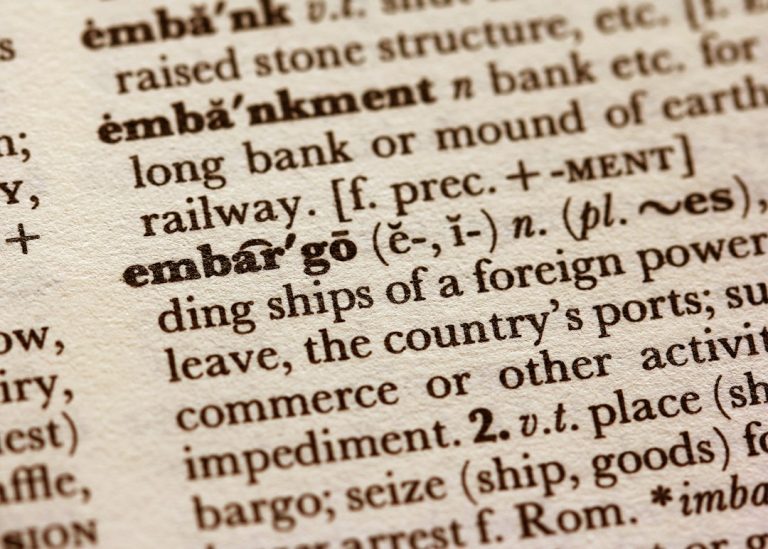
This might sound intimidating, but the IPA is your secret weapon. It’s a system where each symbol represents one unique sound, regardless of how it’s spelled. Learning basic IPA symbols for English vowels and consonants will give you a concrete, unambiguous way to understand and produce sounds. Many good dictionaries include IPA transcriptions, which can be incredibly helpful. You don’t need to memorize every single symbol, but understanding the most common ones will make a huge difference in deciphering how words are actually pronounced.
3. Focus on Mouth Position and Articulation
Pronunciation isn’t just about what you hear; it’s about what your mouth, tongue, and lips are doing. Watch native speakers. Pay attention to their mouth movements. Are their lips rounded? Is their tongue touching the roof of their mouth? Many online resources and YouTube channels offer close-up videos demonstrating proper articulation for specific sounds. Mimicking these physical movements is crucial. For example, the difference between the ‘th’ sound in “think” and “this” involves slightly different tongue placement and breath.
4. Break Down Words: Syllables and Stress
English is a stress-timed language. This means some syllables are stressed (pronounced louder, longer, and with a higher pitch) while others are unstressed. Getting word stress right is vital for intelligibility. Misplacing the stress can make a word sound completely different or make it harder for listeners to identify. For example, “present” (gift) vs. “present” (to give a presentation). The noun stresses the first syllable, while the verb stresses the second.
5. Intonation and Rhythm: The Music of English
Beyond individual sounds and word stress, the overall “music” of English – its intonation and rhythm – plays a huge role in meaning and naturalness. Intonation refers to the rise and fall of your voice. For example, a rising intonation at the end of a sentence often indicates a question, while a falling intonation usually signals a statement. Learning common intonation patterns will make your speech sound much more natural and expressive. It helps convey emotion and intent, making your communication richer and clearer.
Practical Strategies for Improvement

Now that we’ve covered the foundational elements, let’s get into actionable tips you can integrate into your daily learning routine. Consistency is key here!
6. Listen Actively and Imitate
This isn’t just passive listening. When you watch movies, listen to podcasts, or interact with native speakers, pay close attention to how they say things. Don’t just focus on the words. Try to mimic their intonation, rhythm, and individual sounds immediately after they speak. This is often called “shadowing” and is a highly effective technique. Start with short phrases or sentences, then gradually move to longer chunks of speech.
7. Record Yourself and Review
This is perhaps one of the most powerful tools at your disposal. Use your phone or computer to record yourself speaking, and then listen back critically. Compare your pronunciation to a native speaker’s. Where are the differences? Are you mispronouncing a specific vowel? Is your stress pattern off? Hearing yourself allows you to identify areas for improvement that you might not notice in real-time conversation. Don’t be shy about it; it’s a vital step in self-correction.
8. Work on Your Weakest Sounds First
Instead of trying to tackle everything at once, identify a few specific sounds that consistently cause you trouble. Maybe it’s the ‘r’ sound, the ‘th’ sound, or specific vowel contrasts like ‘ship’ vs. ‘sheep.’ Focus on mastering those sounds one by one through targeted practice before moving on. There are many online resources and apps specifically designed to help with individual troublesome sounds.
9. Minimal Pair Practice
As mentioned earlier, minimal pairs are crucial. Actively practice saying pairs of words like “bad” and “bed,” “fan” and “van,” “right” and “light.” Focus on making the distinction clear. You can find extensive lists of minimal pairs online, often with audio examples to guide you. This targeted practice helps you pinpoint and correct subtle differences in sound production.
10. Read Aloud Regularly
Reading aloud helps you practice connecting words, managing rhythm, and applying correct stress patterns. Choose texts that interest you – articles, stories, scripts. If possible, find audio versions of the texts and read along, or record yourself reading and compare it to the audio. This helps you bridge the gap between recognizing sounds and actually producing them in connected speech.
11. Learn Common Reductions and Connected Speech
Native speakers don’t pronounce every word distinctly in a sentence. They often link words together, reduce unstressed syllables, and even drop sounds. For example, “going to” often becomes “gonna,” and “want to” becomes “wanna.” “Did you eat yet?” might sound like “Did-ja-eet-yet?” Learning these common features of connected speech will not only make your own speech sound more natural but also significantly improve your listening comprehension. Ignoring connected speech can make listening to native speakers feel like they’re speaking incredibly fast.
Consistency and Mindset
Improving pronunciation is a marathon, not a sprint. It requires patience, consistent effort, and a positive mindset. Don’t get discouraged by setbacks.
12. Integrate into Daily Life
| Metric | Explanation | Impact on English Learners |
|---|---|---|
| Comprehensibility | Clear pronunciation improves how easily others understand spoken English. | Reduces misunderstandings and communication breakdowns in conversations. |
| Listening Skills | Focusing on pronunciation helps learners better recognize sounds and words. | Enhances ability to follow spoken English in real-life situations. |
| Confidence | Clear pronunciation boosts self-assurance when speaking English. | Encourages more frequent and effective communication. |
| Professional Opportunities | Good pronunciation is often linked to professionalism and credibility. | Increases chances of success in job interviews and workplace interactions. |
| Social Integration | Clear speech facilitates smoother social interactions and friendships. | Helps learners feel more included and accepted in English-speaking communities. |
| Reduction of Accent Barriers | Improving pronunciation can minimize strong accents that hinder understanding. | Leads to clearer communication and less need for repetition. |
Don’t treat pronunciation practice as a separate, isolated task. Try to incorporate it into your everyday English learning. When you learn new vocabulary, make sure you also learn the correct pronunciation. When you listen to English, actively analyze the sounds. Even five or ten minutes of focused practice daily can lead to significant improvements over time.
13. Be Patient and Persistent
You’ve developed your current speech habits over many years in your native language. Changing them takes time and effort. There will be days when you feel like you’re not making progress, but stick with it. Celebrate small victories, like successfully producing a difficult sound or clearly saying a sentence that used to trip you up.
14. Seek Feedback (But Choose Wisely)
If you have access to a tutor or a patient native speaker, ask for feedback on your pronunciation. However, be specific about what you want them to listen for. General feedback like “your accent is strong” isn’t very helpful. Instead, ask, “Can you tell if I’m pronouncing the ‘th’ sound correctly?” or “Is my intonation clear when I ask questions?” This targeted feedback is much more actionable.
15. Don’t Aim for Perfection, Aim for Clarity
The ultimate goal isn’t to sound exactly like a native speaker. The goal is to be understood effortlessly and confidently. Your unique accent is part of who you are, and there’s no need to erase it completely. Focus on clear articulation, correct stress, and appropriate intonation. When you can communicate your ideas without constant effort for the listener, you’ve achieved success.
By focusing on these areas and integrating these strategies into your routine, you’ll find that your pronunciation will not only become clearer but also empower you to communicate more effectively and confidently in English. It’s a truly rewarding aspect of language learning.
FAQs
Why is clear pronunciation important for English learners?
Clear pronunciation is crucial for English learners as it enhances communication effectiveness. It helps ensure that the speaker’s message is understood by listeners, reducing the chances of miscommunication and confusion. Good pronunciation also boosts the learner’s confidence in speaking and encourages more interaction in conversations.
How does pronunciation affect listening comprehension?
Pronunciation significantly impacts listening comprehension because if a learner mispronounces words, it can lead to misunderstandings. Listeners may struggle to recognize words or phrases that are not pronounced correctly, making it difficult for them to follow the conversation. Clear pronunciation aids in better recognition and understanding of spoken English.
Can clear pronunciation improve job prospects for English learners?
Yes, clear pronunciation can improve job prospects for English learners. Many employers value effective communication skills, and clear pronunciation is a key component of that. Candidates who can articulate their thoughts clearly are often perceived as more competent and professional, which can lead to better job opportunities and career advancement.
What are some common challenges English learners face with pronunciation?
English learners often face challenges such as difficulty with specific sounds that may not exist in their native language, stress and intonation patterns that differ from their own language, and the influence of their accent. These factors can make it hard for learners to achieve clear pronunciation, which is essential for effective communication.
How can English learners improve their pronunciation skills?
English learners can improve their pronunciation skills through various methods, including practicing with native speakers, using language learning apps that focus on pronunciation, listening to and mimicking audio recordings, and participating in pronunciation workshops or classes. Regular practice and feedback are essential for making progress in this area.
About the Author