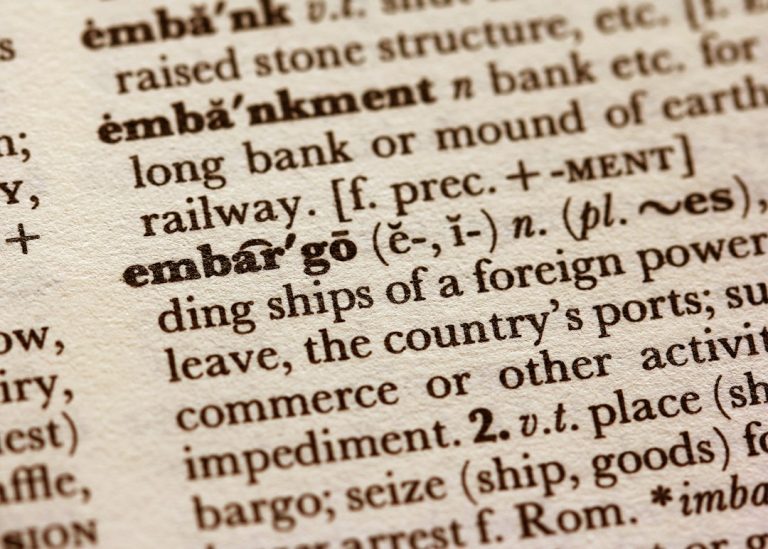
Having clear English pronunciation is a big deal when it comes to getting your message across effectively. It’s not just about sounding “native” or perfect; it’s fundamentally about being understood without unnecessary effort or confusion. Think of it this way: if people are struggling to decipher what you’re saying, they’re not really listening to what you’re saying. This can lead to all sorts of communication hiccups, from minor misunderstandings to significant breakdowns in professional and personal settings. So, let’s dive into why focusing on clear pronunciation can genuinely boost your communication success.
Why Pronunciation Matters More Than You Think
It’s easy to focus on grammar and vocabulary when learning a language, and those are definitely important. But pronunciation often gets a backseat, yet its impact on how you’re perceived and understood is huge. It’s the vessel for your words; if the vessel is leaky or unstable, your message might not arrive intact.
1. Reducing Cognitive Load for Your Listener
When you speak clearly, your listener doesn’t have to work as hard to understand you. Their brain isn’t busy trying to piece together unfamiliar sounds or patterns. This frees them up to focus on the content of your message, rather than the mechanics of your speech. Imagine trying to listen to a crucial presentation with a bad phone connection – you’re constantly straining, and you miss details. Clear pronunciation is like a strong, consistent connection.
2. Preventing Misunderstandings and Errors
A slight mispronunciation can sometimes completely change the meaning of a word, or make it sound like a different word entirely. For example, “sheet” and “shit” are a common pitfall, as are “focus” and a certain expletive. Similarly, confusing “leave” with “live” or “beach” with “bitch” can lead to awkward or even offensive situations. Proper vowel sounds, consonant distinctions, and even stress patterns are crucial for disambiguation.
3. Building Confidence in Your Communication
When you know you’re speaking clearly and that people are understanding you easily, your confidence naturally grows. This isn’t just about feeling good; increased confidence often leads to more fluent speech, better eye contact, and a more assertive delivery of your ideas. Conversely, constantly being asked to repeat yourself or seeing confused looks can erode confidence, making you hesitant to speak up.
4. Enhancing Your Professional Image
In many professional contexts, clear communication is paramount. Whether you’re in a meeting, giving a presentation, or interacting with clients, being easily understood projects competence and professionalism. It suggests attention to detail and a respect for your audience’s time. Conversely, consistent mispronunciations can inadvertently create an impression of carelessness or lack of proficiency, regardless of your actual skills or knowledge.
5. Facilitating Faster Information Exchange
When you speak clearly, the communication loop is shorter. There’s less back-and-forth for clarification, fewer pauses while your listener processes, and generally a smoother flow of conversation. This is especially critical in fast-paced environments where quick decisions and rapid information exchange are essential. Think of emergency services, customer support, or technical discussions.
Effective communication in English hinges on clear pronunciation, as it significantly impacts the listener’s understanding and engagement. Mispronunciations can lead to confusion and misinterpretation, making it essential for non-native speakers to focus on their pronunciation skills. For those looking to improve their pronunciation, a valuable resource can be found in the article titled “How to Pronounce ʊ vs. u,” which provides insights and practical tips for mastering these sounds. You can read the article here: How to Pronounce ʊ vs. u.
Key Elements of Clear English Pronunciation

It’s not just about individual sounds. English pronunciation is a rich tapestry that includes several interconnected elements. Mastering these components collectively leads to greater clarity.
1. Mastering Individual Sounds (Phonemes)
This is often where people start, and for good reason. English has about 44 distinct sounds (phonemes), depending on the accent, and some of these might not exist in your native language.
a. Vowel Sounds: Short vs. Long
English vowels can be tricky. We have short vowels (like the ‘a’ in ‘cat’, ‘e’ in ‘bed’, ‘i’ in ‘sit’, ‘o’ in ‘pot’, ‘u’ in ‘cut’) and long vowels (like the ‘a’ in ‘name’, ‘e’ in ‘feet’, ‘i’ in ‘bike’, ‘o’ in ‘boat’, ‘u’ in ‘flute’). The distinction is crucial, as is the difference between pairs like ‘sheep’ and ‘ship’. Often, the length and exact mouth position determine the meaning.
b. Consonant Sounds: Voiced vs. Unvoiced
Many English consonants come in voiced/unvoiced pairs. For example, ‘p’ (unvoiced) and ‘b’ (voiced) are made with the same mouth position, but with ‘b’, your vocal cords vibrate. Similarly, ‘t’ and ‘d’, ‘k’ and ‘g’, ‘f’ and ‘v’, ‘s’ and ‘z’, ‘th’ (unvoiced) and ‘th’ (voiced), ‘sh’ and ‘zh’. Getting these right prevents words like ‘pat’ and ‘bat’ from sounding identical.
c. Tricky Sounds: ‘th’, ‘r’, ‘l’, ‘w’, ‘v’
Some sounds pose particular challenges depending on your native language. The ‘th’ sound, both voiced (as in ‘the’) and unvoiced (as in ‘think’), is common. The ‘r’ sound often varies greatly from other languages. Differentiating ‘l’ and ‘r’ or ‘w’ and ‘v’ can be critical for understanding words like ‘right’ vs. ‘light’ or ‘west’ vs. ‘vest’.
2. Word Stress: The Beat of English
English is a stress-timed language, meaning certain syllables in a word are emphasized more than others. Getting word stress right is incredibly important, sometimes even more so than individual sounds.
a. Impact on Meaning and Understanding
Misplacing word stress can make a word completely unintelligible or, in some cases, change its meaning. For example, ‘present’ can be a noun (PRE-sent, a gift) or a verb (pre-SENT, to give). Similarly, ‘record’ (RE-cord, a noun) versus ‘record’ (re-CORD, a verb). Native speakers rely heavily on these stress patterns to quickly process words. If you stress the wrong syllable, their brain has to work harder to identify the word.
b. Common Patterns and Practice
While there are rules, many words just need to be learned. Generally, nouns often have stress on the first syllable (e.g., ‘table’, ‘doctor’), while verbs often have stress on the second (e.g., ‘decide’, ‘begin’). Practicing new vocabulary with correct stress from the outset is far more effective than trying to correct it later.
3. Sentence Stress and Intonation: The Music of Speech
Beyond individual words, how you stress words in a sentence and the overall rise and fall of your voice (intonation) communicate significant meaning and emotion.
a. Emphasizing Key Information
In a sentence, we usually stress the words that carry the most important new information. For instance, “I bought a new car” emphasizes the action, while “I bought a new car” emphasizes the state of the car, and “I bought a new car” emphasizes what was bought. Getting this right helps your listener quickly grasp the main point.
b. Communicating Attitude and Questioning
Intonation is crucial for conveying emotion or asking questions. A rising intonation at the end of a sentence typically indicates a question (“You’re coming?”), while a falling intonation suggests a statement (“You’re coming.”). Monotone speech, where there’s little variation in pitch, can make you sound bored, uninterested, or even difficult to understand, as it strips away these important cues.
4. Rhythm and Connected Speech: Flow and Naturalness
English speech isn’t a series of disconnected words. Words often link together, sounds change, and some sounds are reduced or omitted. This is called connected speech.
a. Linking and Elision
When one word ends with a consonant sound and the next begins with a vowel sound, they often link together (e.g., “turn_on,” “take_off”). Sometimes, sounds are dropped or reduced (elision) for smoother speech, especially in rapid conversation (e.g., “cupboard” often sounds like ‘cub-berd’). Trying to pronounce every single sound distinctly can make your speech sound choppy and unnatural.
b. Reduction of Unstressed Words
In sentences, function words (like prepositions, articles, conjunctions – ‘a’, ‘the’, ‘and’, ‘of’, ‘to’) are often unstressed and reduced to a ‘schwa’ sound (the ‘uh’ sound, like the ‘a’ in ‘about’). For example, “I’m going to the shop” often sounds like “I’m goin’ tuh thuh shop.” This is a natural part of English rhythm and contributes significantly to sounding fluent and understandable.
Practical Strategies for Improving Your Pronunciation

Improving pronunciation is an ongoing journey, but there are very concrete steps you can take. It’s not about magic; it’s about consistent, targeted practice.
1. Listen Actively and Imitate
You can’t produce sounds you haven’t really heard. Pay close attention to native speakers.
a. Shadowing and Mimicry
Shadowing involves listening to an audio track (a podcast, a movie, a news report) and trying to repeat what you hear almost simultaneously, matching the intonation, rhythm, and pronunciation as closely as possible. It’s like being a parrot, but a very focused parrot. This helps build muscle memory for your mouth and tongue.
b. Focused Listening for Specific Sounds
If you know you struggle with ‘th’ or the ‘r’ sound, actively listen for those sounds in different contexts. How does a speaker form them? How do they vary slightly depending on the surrounding sounds? Tools like YouGlish can be invaluable here, showing you short video clips of people saying specific words or phrases.
2. Use Technology and Tools
There are fantastic resources available that weren’t around even a decade ago. Leverage them!
a. Pronunciation Apps and Websites
Many apps (like ELSA Speak, Say It, Pronunciation Power) use AI to analyze your speech and give you feedback on specific sounds, stress, and intonation. Online dictionaries often have audio pronunciations, and some even show phonetic transcriptions.
b. Recording Yourself
This is probably one of the most underutilized yet effective strategies. Record yourself speaking, then listen back critically. How does it sound compared to a native speaker? You’ll often hear errors you weren’t aware of while speaking. This self-correction loop is powerful.
3. Understand Phonetics and Phonology (The “How-To”)
While you don’t need to become a linguist, understanding the basic mechanics of how sounds are made can be incredibly helpful.
a. Articulation Points
Learning where your tongue, teeth, and lips should be for each sound (articulation points) can demystify sounds that feel impossible. For example, knowing that ‘th’ involves your tongue between your teeth, or ‘l’ involves your tongue touching the ridge behind your front teeth, provides a tangible target.
b. The International Phonetic Alphabet (IPA)
The IPA is a system where each symbol represents one unique sound. Learning even the basic symbols for English can be a game-changer. It removes the ambiguity of English spelling (e.g., ‘ough’ can be pronounced in many ways) and gives you a precise map for every sound. Most good dictionaries include IPA transcriptions.
4. Practice Regularly and Consistently
Pronunciation isn’t something you learn once; it’s a skill you develop and refine over time.
a. Integrate into Daily Routine
Don’t treat pronunciation practice as a separate, tedious task. Incorporate it into your regular English learning. As you learn new vocabulary, immediately check and practice its pronunciation and stress. Read aloud regularly. Practice phrases you use often.
b. Focus on High-Frequency Words and Common Errors
Start with words you use often. Correcting your pronunciation of “ask,” “world,” “thorough,” or common function words can have a disproportionately large impact on your overall clarity. Identify your personal “problem sounds” and dedicate specific practice to them.
Overcoming Common Pronunciation Hurdles
It’s natural to face challenges. Understanding common issues can help you tackle them head-on.
1. Influence of Your Native Language (L1 Interference)
Your native language significantly shapes your speech habits. Sounds, rhythms, and stress patterns from your L1 can automatically transfer to English, creating interference.
a. Sound Substitutions
If your native language doesn’t have a ‘v’ sound, you might substitute it with ‘w’ or ‘f’. If it lacks the ‘th’ sound, you might use ‘s’, ‘z’, ‘t’, or ‘d’. Becoming aware of these typical substitutions for your L1 is the first step to correcting them.
b. Rhythm and Intonation Differences
Some languages are syllable-timed (each syllable takes roughly the same amount of time), while English is stress-timed. This can lead to a ‘choppy’ rhythm if every syllable is given equal weight. Similarly, intonation patterns that sound natural in your L1 might sound abrupt or flat in English.
2. Fear of Making Mistakes or Sounding “Wrong”
| Metric | Description | Impact on Communication |
|---|---|---|
| Comprehension Rate | Percentage of listeners who understand spoken English | Clear pronunciation increases comprehension rate by up to 40% |
| Miscommunication Incidents | Number of misunderstandings due to unclear pronunciation | Unclear pronunciation can cause a 30% rise in miscommunication |
| Listening Effort | Amount of cognitive effort required to understand speech | Clear pronunciation reduces listening effort, making communication smoother |
| Confidence Level | Speaker’s confidence when communicating in English | Clear pronunciation boosts speaker confidence by 25% |
| Professional Opportunities | Access to jobs and promotions requiring English communication | Clear pronunciation improves chances of career advancement |
Many learners hold back from trying new pronunciations for fear of sounding awkward or making mistakes. This fear is a major barrier to progress.
a. Embracing Imperfection
Understand that making mistakes is a natural and necessary part of learning. Every fluent speaker, including native speakers learning a new accent, goes through this. Focus on progress, not perfection. The goal is clarity, not necessarily a ‘native’ accent.
b. Creating a Safe Practice Environment
Practice with trusted friends, a tutor, or even just by yourself using recording tools. The more you try, the more comfortable you’ll become with the new sounds and patterns.
3. Lack of Targeted Feedback
Without knowing what you’re doing wrong, it’s hard to improve. Self-correction has its limits.
a. Seeking Input from Teachers or Tutors
A good teacher or pronunciation coach can diagnose your specific issues and provide tailored exercises and feedback. Their ear is trained to catch nuances you might miss.
b. Peer Feedback (with Caution)
Practicing with other learners can be beneficial for motivation and conversational practice, but be mindful that they might also have their own pronunciation habits that could unintentionally reinforce incorrect patterns.
Effective communication in English hinges on clear pronunciation, as it significantly impacts how messages are conveyed and understood. Mispronunciations can lead to misunderstandings, making it essential for speakers to articulate their words correctly. For those looking to improve their pronunciation skills, a helpful resource can be found in this article about the sounds made with lips. By focusing on these fundamental aspects, individuals can enhance their speaking abilities and ensure their intended meanings are accurately received. You can read more about it in this informative article.
The Long-Term Benefits of Clear Pronunciation
Investing time in improving your English pronunciation pays dividends far beyond just being understood. It opens up doors and enhances your overall experience with the language.
1. Increased Confidence and Self-Expression
When you speak clearly, you feel more empowered to express your ideas, opinions, and feelings effectively. This isn’t just about practical communication; it’s about your identity and ability to connect with others on a deeper level. You’ll be less hesitant to contribute in group discussions or social settings.
2. Greater Opportunities in All Spheres
From job interviews and career advancement to academic presentations and international travel, clear pronunciation is an asset. It allows your skills and knowledge to shine through, rather than being obscured by communication difficulties. In a globalized world, it’s a competitive advantage.
3. Deeper Connections and Relationships
Effective communication is the cornerstone of any strong relationship, whether professional or personal. Being easily understood fosters empathy, reduces frustration, and allows for more meaningful interactions. When people don’t have to strain to understand you, they can truly engage with you.
4. Continued Language Learning Progress
Improved pronunciation isn’t just an end in itself; it’s a catalyst for further language development. As you become more confident in speaking, you’ll be more inclined to practice, learn new vocabulary, and engage in more complex conversations. It creates a positive feedback loop that accelerates your entire language learning journey.
Ultimately, focusing on clear English pronunciation isn’t about erasing your accent or sounding like someone else. It’s about ensuring your message is delivered effectively and efficiently. It’s about removing barriers, building bridges, and empowering you to communicate with confidence and impact. So, go ahead and give those sounds and rhythms the attention they deserve – your communication success will thank you for it.
FAQs
Why is clear pronunciation important in English communication?
Clear pronunciation is crucial in English communication because it ensures that the speaker’s message is understood accurately by the listener. Mispronunciations can lead to misunderstandings, confusion, and misinterpretations, which can hinder effective communication.
How does pronunciation affect comprehension in English?
Pronunciation directly affects comprehension as it influences how words are perceived. If a speaker mispronounces words, listeners may struggle to recognize them, leading to a breakdown in communication. Clear pronunciation helps listeners process information more efficiently and accurately.
What role does accent play in English pronunciation?
Accent can influence pronunciation, but it is important to distinguish between accent and clarity. While different accents may have unique phonetic characteristics, clear pronunciation within any accent helps convey the intended message. Understanding and adapting to various accents can enhance mutual comprehension.
Can poor pronunciation impact professional opportunities?
Yes, poor pronunciation can impact professional opportunities, as effective communication is often a key factor in job performance and career advancement. Employers may perceive individuals with unclear pronunciation as less competent or confident, which can affect hiring decisions and professional relationships.
What strategies can improve English pronunciation?
Improving English pronunciation can be achieved through various strategies, such as practicing with native speakers, using language learning apps, listening to English media, and engaging in phonetic exercises. Consistent practice and feedback are essential for developing clearer pronunciation skills.
About the Author